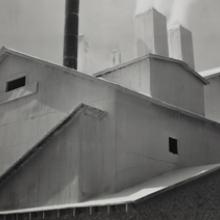
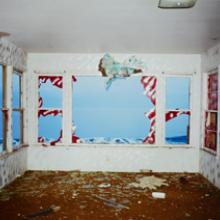
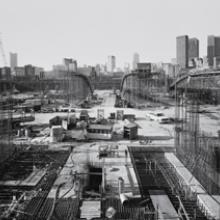
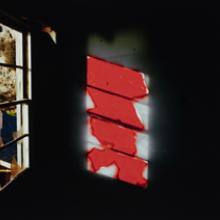
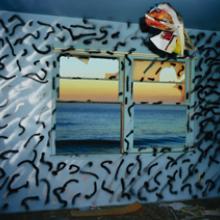
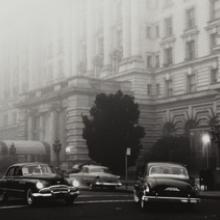
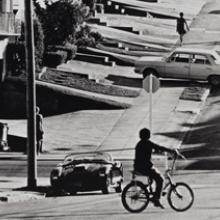
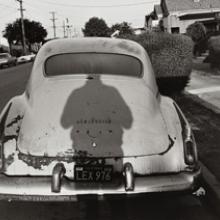
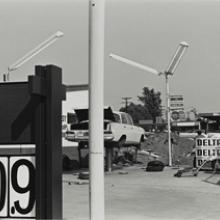
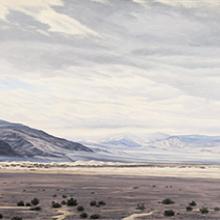
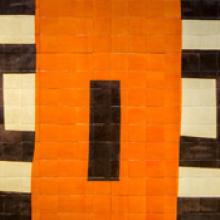
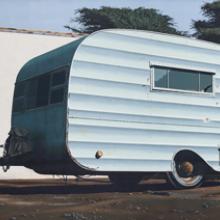
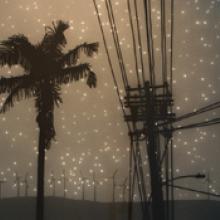
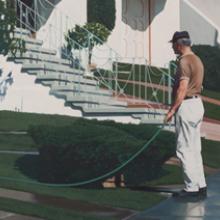
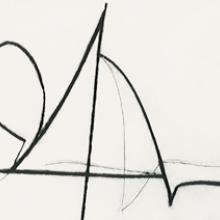
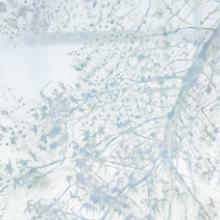
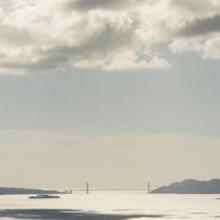
The collection of photographs held by the San Francisco Arts Commission and designated for exhibition in the Ruth S. Kadish Gallery features fifty artworks ranging in date from 1927 to 1988. The works depict subject matter that is distinctly Californian—celebrating the unique cultural, historical, and natural features of the state, while connecting it to the larger context of photographic history. The collection is divided into four groups of images that rotate annually: Community/Documentary; Natural Landscape; Built Environment; and Harlem of the West.
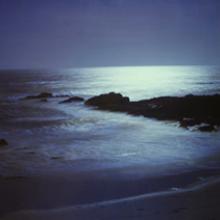
Works in the Community/Documentary group feature artists whose practice focuses on the human subject and the documentary method. Those in the Natural Landscape group address various approaches to photographing the topography of the California landscape. The Built Environment group depicts human intervention of the landscape, urban environments, and industry. Harlem of the West features a selection of images from the monograph and curatorial project of the same name, authored by Lewis Watts and Elizabeth Pepin Silva, which chronicles the Jazz Era in the Fillmore District of San Francisco.
The other walls in this gallery feature programming from SFO Museum. These exhibitions highlight artists whose work thematically engages with the works exhibited from the SFAC collection. These pairings are intended to encourage conversation, draw connections, and highlight influence or shifting trends in the photographic medium over time. View the current SFO Museum exhibition First-Generation: China Dream and Suburban Chinatown
About Ruth S. Kadish
Ruth Kadish (1916–2011), who became SFO’s first female Airport Commissioner in 1976, championed public art at the Airport and provided her full support to launch the exhibitions program that became SFO Museum, the first of its kind in the industry. The Airport’s Ruth S. Kadish Gallery, originally dedicated in 2001, has been rebuilt as a space to exhibit photography celebrating the unique cultural, historical, and natural features of California, while connecting it to the larger context of the medium’s history.