
Fashioning Modernism: Meisen Kimono
Fashioning Modernism: Meisen Kimono
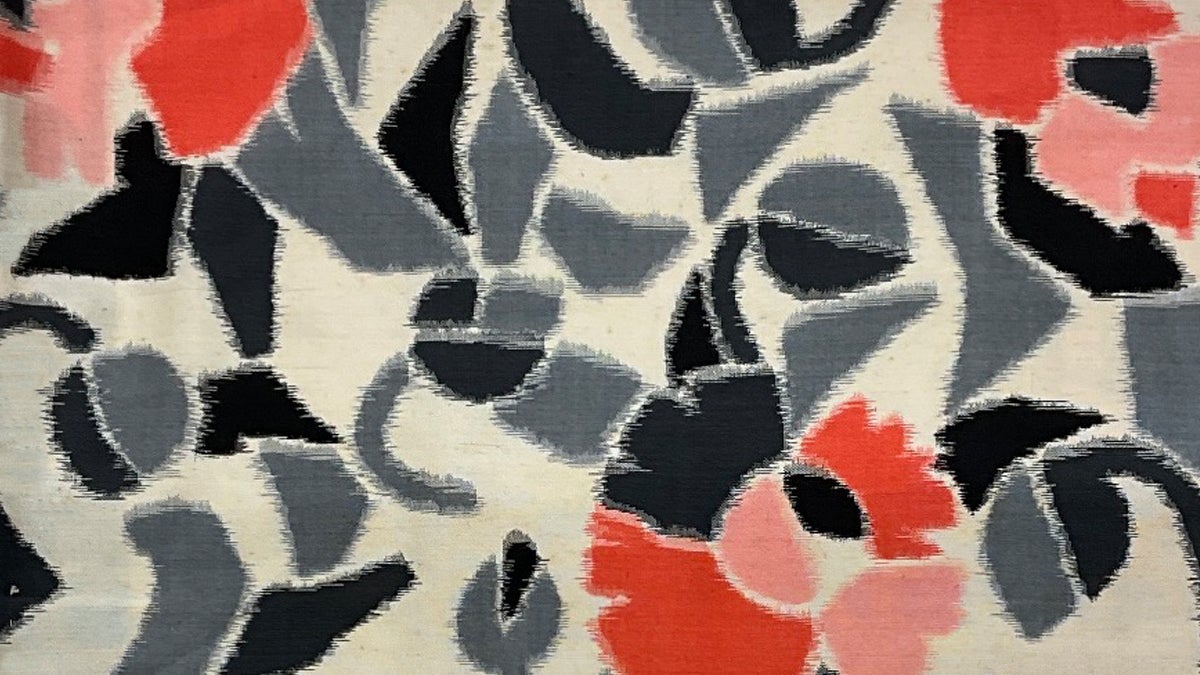
During the Meiji era (1868–1912), rapid industrialization transformed Japanese society, and textile manufacturing thrived. By the 1920s and ’30s, students, middle-class women, and urban working women—shopgirls, café waitresses, office clerks, and nurses—had access to the latest fashion: affordable silk kimono and haori, or jackets, popularly called meisen. Meisen’s vivid colors, achieved with synthetic dyes introduced from Europe, and bold designs tell a story of cultural exchange. Japanese society was fascinated by the influx of Western culture, while Japanese arts simultaneously inspired Western artists and designers, influencing styles from the organic sinuousness of Art Nouveau to Art Deco’s geometric glamour. Meisen kimono absorbed these cross-cultural dynamics, embracing avant-garde movements from Futurism to Cubism while reimagining Japan’s own rich design heritage. Mitsukoshi and other department stores championed meisen’s popularity through design competitions, exhibitions, and innovative advertising. Kimono fabric was even sewn into finished garments, displayed on mannequins, and captioned with looks such as “New York Chic.” Meisen manufacturers further expanded their reach by commissioning artists to create posters of fashionable women to promote the season’s newest designs. At its peak in the 1930s, meisen production yielded enough yardage for millions of kimono. The exhibition will feature many examples from the collection of Dr. Yoshiko Iwamoto Wada, and represents a remarkable era in Japanese culture, when exuberant modernity expressed itself in meisen-patterned textiles.
[detail]
Meisen kimono with floral pattern 1930s
early Shōwa era (1926–41)
Japan
silk, cotton, dye
Collection of Yoshiko I. Wada
JM218; L2026.1501.011