
Terminal 3
Terminal 3
Departures - Level 2
- Post-Security
May 28, 2010 - Jan 10, 2011
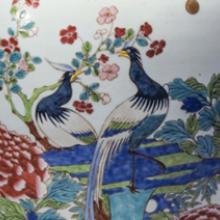
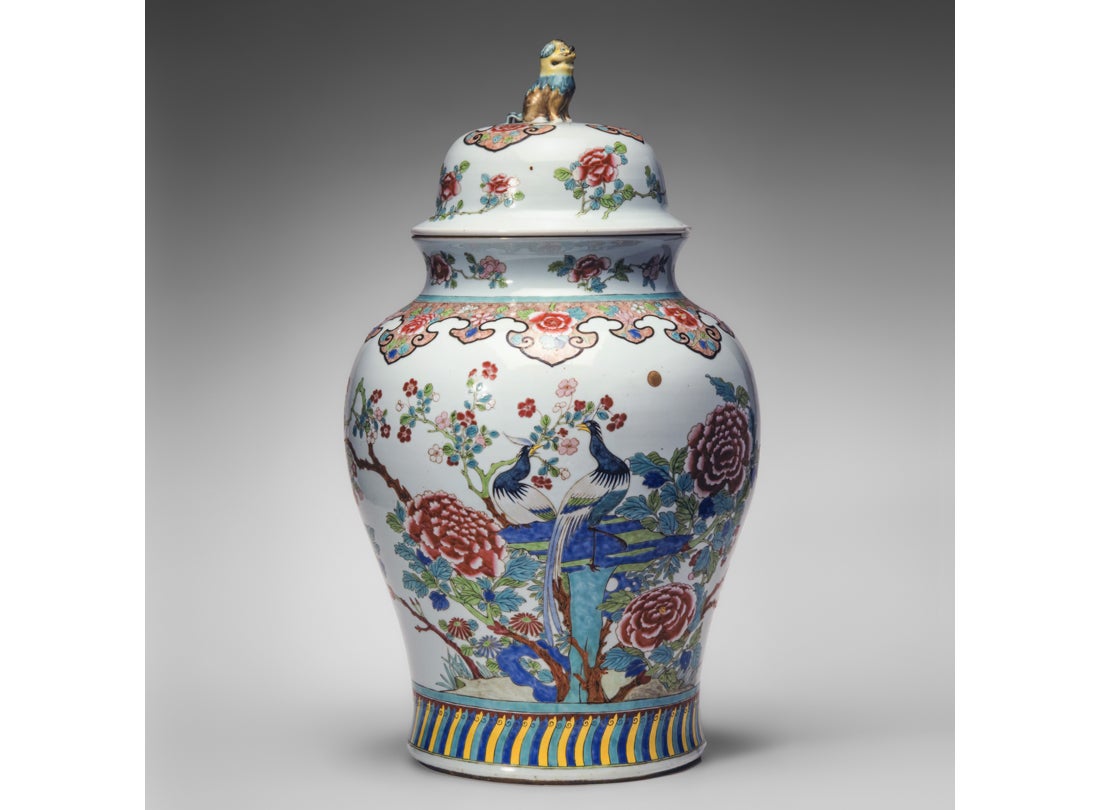
Covered jar 1920–40
China
porcelain with overglaze polychrome decoration
Asian Art Museum of San Francisco, The Avery Brundage Collection
B60P115+
L2009.3901.038a,b
HIDDEN MEANING: May the entire family be wealthy and honored as well as enjoy longevity (mantang fugui, changshou ruyi)!
On this covered jar, a pair of ribbon-tailed birds (shoudainiao), symbols of longevity because of their lengthy tails, perch on a rock surrounded by peonies and crabapple blossoms. The second character of "crabapple" (haitang) is a pun for "hall" (tang), meaning the family home. The tree peony is the flower of wealth and honor (fuguihua). The heads of wish-granting wands (ruyi) that decorate the neck of the vase mean "as you wish," which is shorthand for "May all your wishes come true." Chinese people customarily express the desire for others to have good fortune and for all their wishes to be granted (jixiang ruyi).
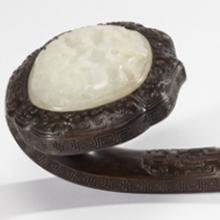
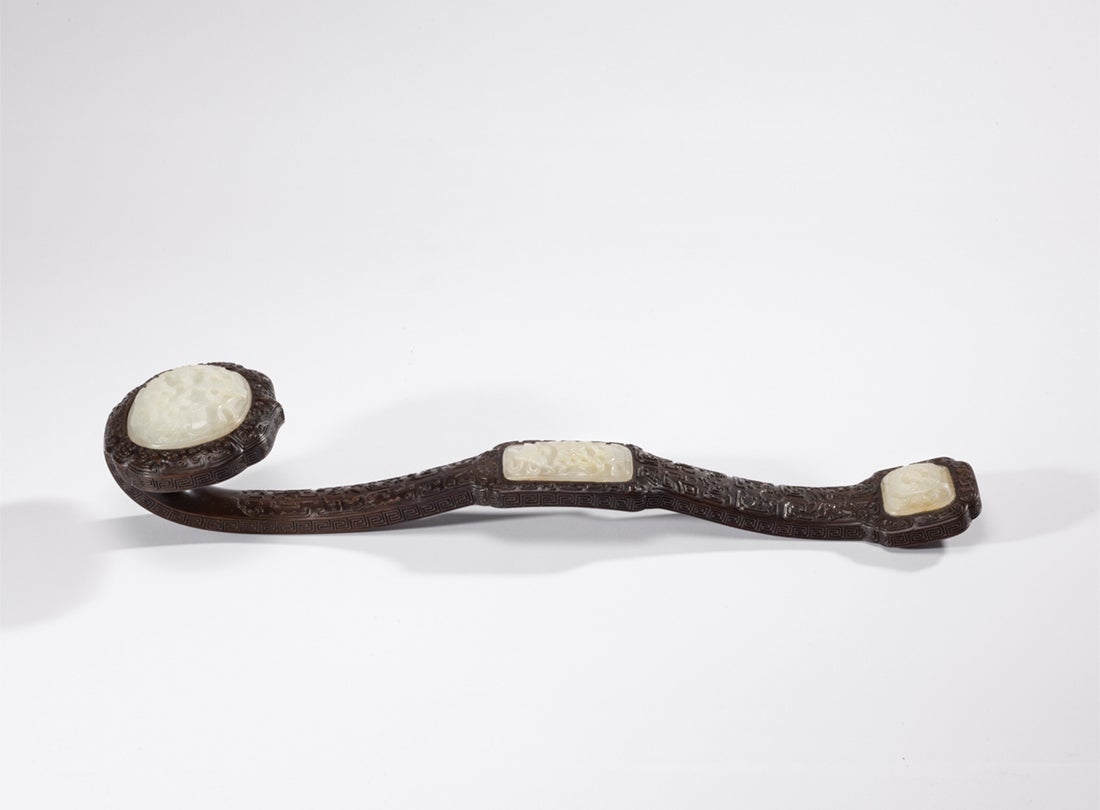
Wish-granting wand 1800–1900
China
Qing dynasty (1644–1911)
hardwood and nephrite
Asian Art Museum of San Francisco, The Avery Brundage Collection
B60J499
L2009.3901.024
HIDDEN MEANING: May all your wishes come true!
The wish-granting wand's (also ruyi) head resembles the sacred fungus of immortality (lingzhi), the most important symbol for the granting of wishes. The wand's head is often used as a motif to embellish porcelains, furniture, and other decorative arts. This popular motif takes a variety of other forms, including clouds.
Such wands, often made of precious materials, were given to emperors and empresses on important occasions during the Qing dynasty. This one, made of precious hardwood (zitan), is inset with three jade plaques depicting the Eight Auspicious Symbols of Buddhism, which bring blessings. Ruyi are still made today and are used as ornaments in the home.
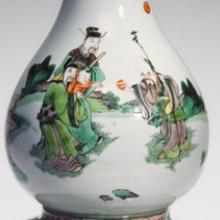
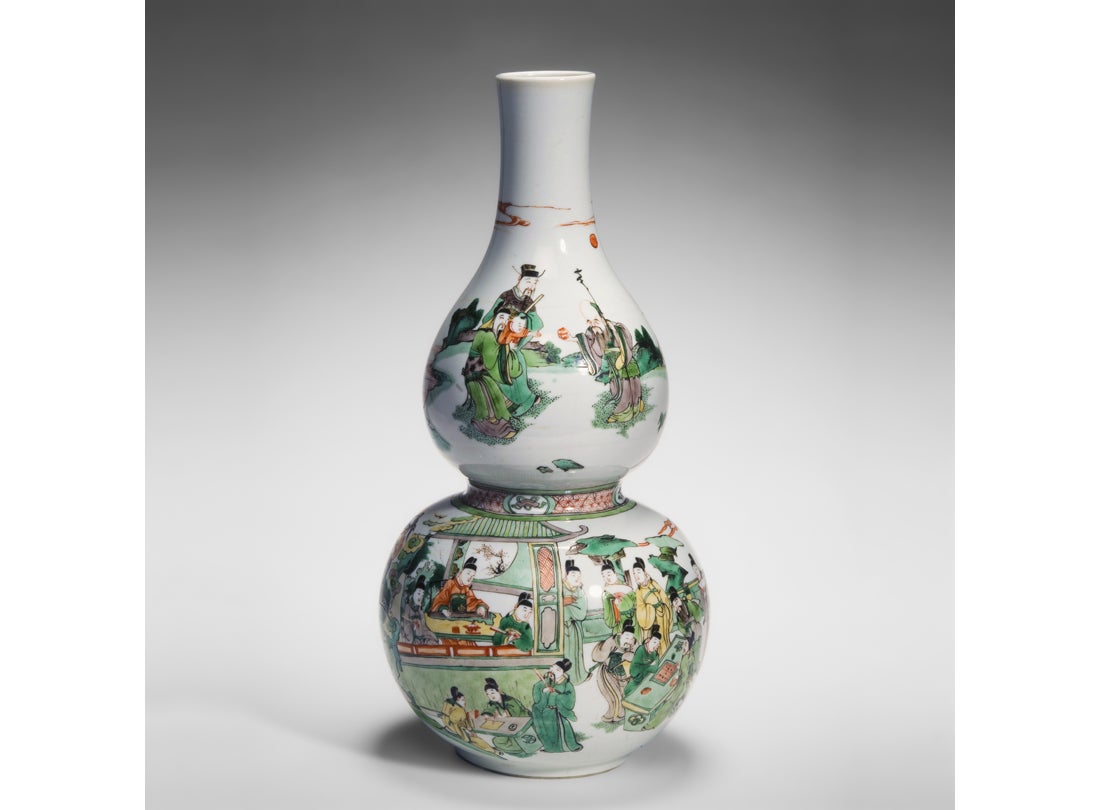
Bottle gourd vase with Star Gods and scholar-officials
China
Qing dynasty (1644–1911), reign of the Kangxi emperor (1662–1722)
porcelain with overglaze polychrome decoration
Asian Art Museum of San Francisco, The Avery Brundage Collection
B60P47
L2009.3901.028
HIDDEN MEANING: May you receive blessings from the Three Star Gods, and may you achieve high rank (sanxing gaozhao, gouguan houlu)!
Atop this bottle gourd vase can be seen the Three Star Gods: Fuxing, God of Blessings, carrying a baby; Luxing, God of Wealth and Rank, dressed as an official; and Shoulao, God of Longevity, depicted as an old man holding a peach. Below them, the famous eighteen scholar-officials of the Tang dynasty (618–906) are engaged in scholarly pursuits, including admiring a painting, enjoying music, playing chess, and doing calligraphy.
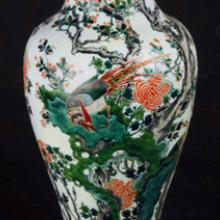
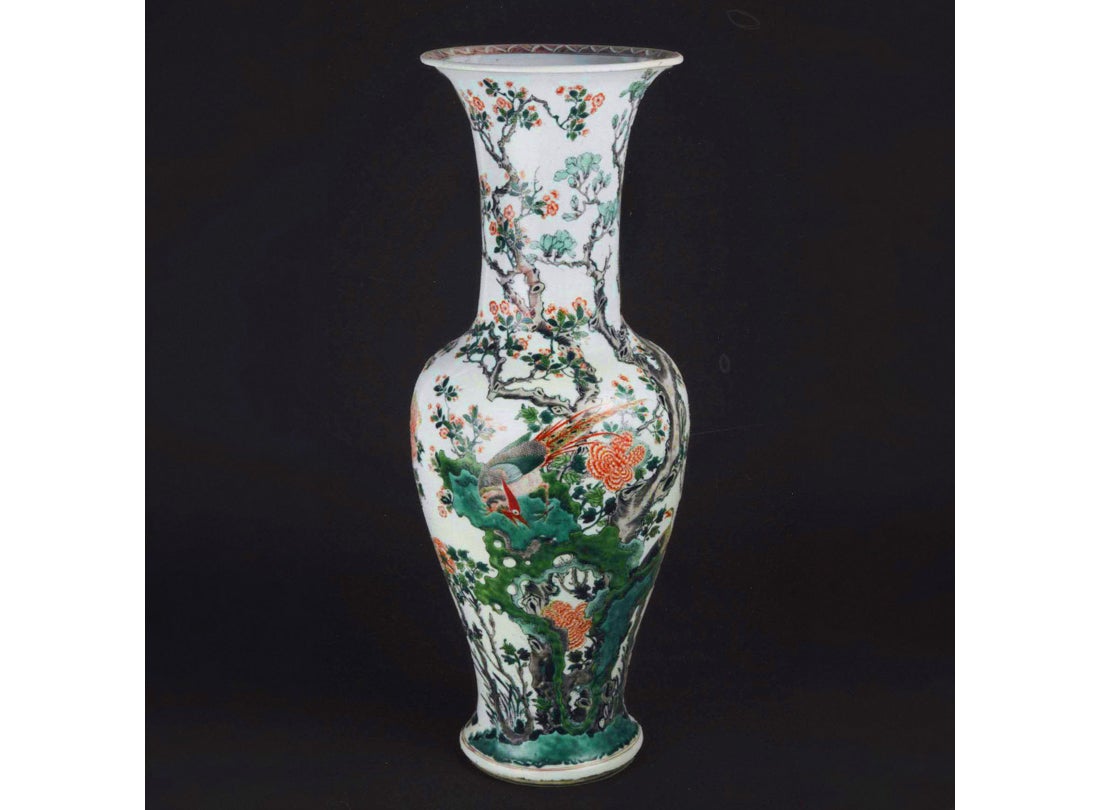
Vase with pheasant and flowers
China
Reign of the Kangxi emperor (1662–1722)
porcelain with overglaze polychrome decoration
Asian Art Museum of San Francisco, The Avery Brundage Collection
B60P94+
L2009.3901.035
HIDDEN MEANING: May your noble house be blessed with wealth and honor (yutang fugui).
This vase shows a golden pheasant, a bird of prosperity, surrounded by white magnolia (yulan), crabapple (haitang) and peony (fuguihua). The peony is the flower of wealth and honor. Peonies combined with white magnolias and crabapple blossoms form the auspicious phrase yutang fugui: wealth and rank in the jade hall, a term meaning "wealthy establishment."
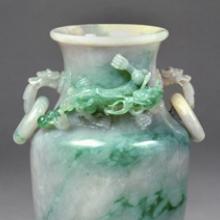
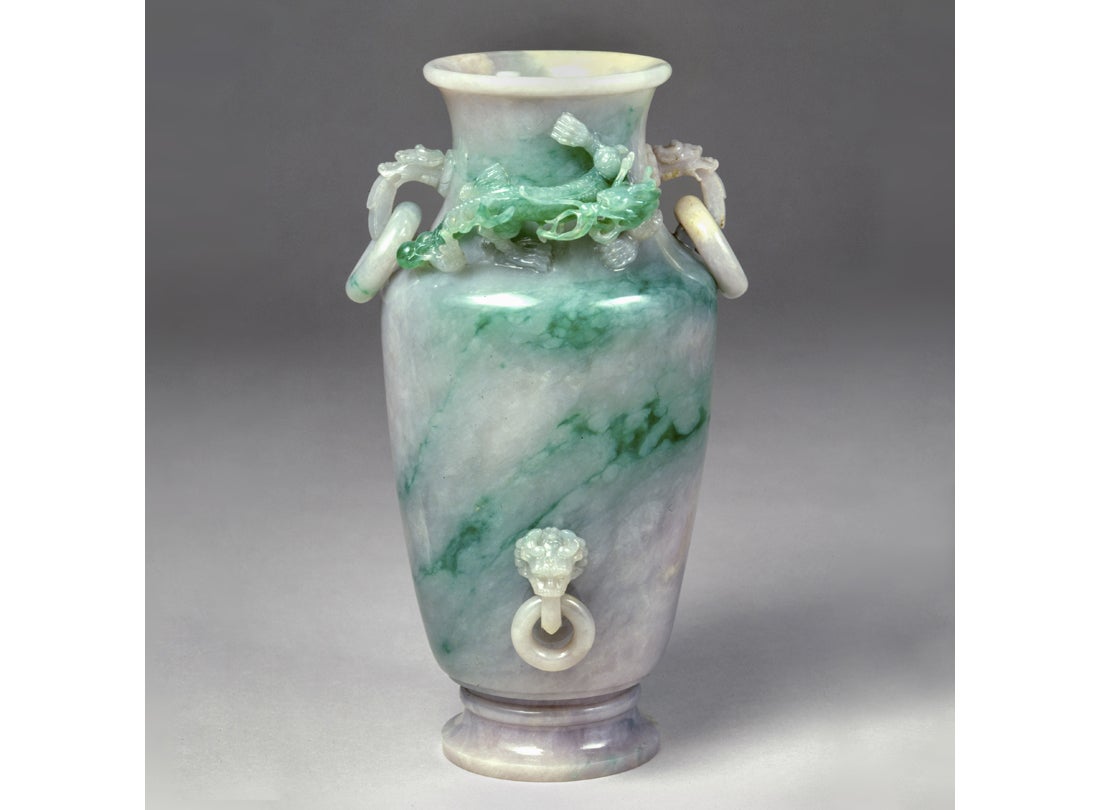
Vase with dragon and ring handles 1900–40
China
jadeite
Asian Art Museum of San Francisco, The Avery Brundage Collection
B68J6
L2009.3901.084
HIDDEN MEANING: May you have peace (ping'an)!
The word for "vase" (ping) has the same sound as the first character of "peace" (ping'an).
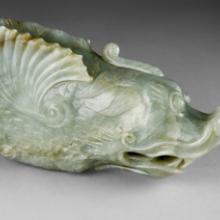
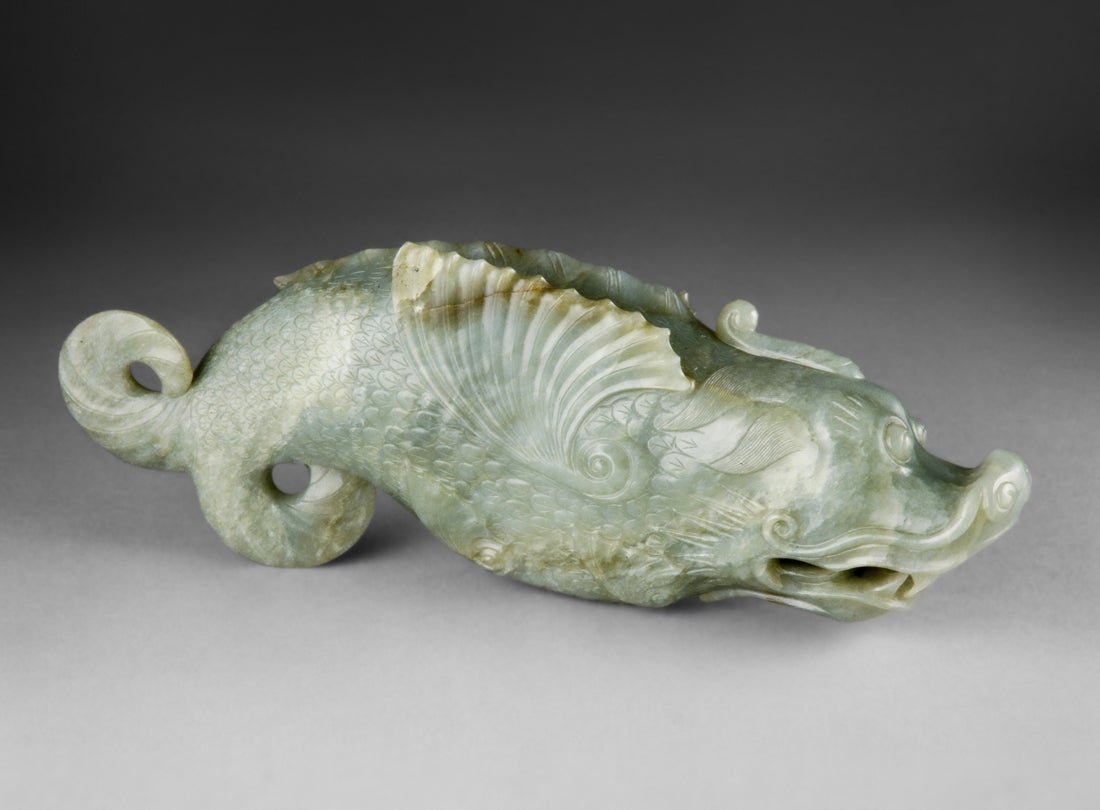
A mythical fish-dragon (ao) 1900–40
China
nephrite
Asian Art Museum of San Francisco, transfer from the Fine Arts Museums of San Francisco, gift of M. H. de Young
B81J5
L2009.3901.104
HIDDEN MEANING: May you become the First Scholar (duzhan aotou)!
The ao is a mythical animal that is a cross between a fish and a dragon. The ao is the vehicle of Kuixing, the God of Literature, so it is a symbol of high literary achievement. During the Tang (618–906) and Song (960–1279) dynasties, candidates who had just taken the imperial examination awaited the results on a staircase engraved with an ao design. The candidate who won first place—given the title First Scholar (zhuangyuan)—was the first to walk upon the head of the ao on the stairs, hence, the phrase "seizing alone the head of the ao" (duzhan aotou). The fish itself stood for coming in first in the imperial examination and for literary success. Nephrite pieces like this one were given to scholars to wish them success in the civil service examinations.
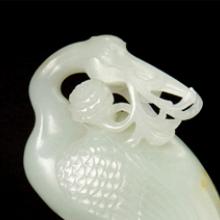
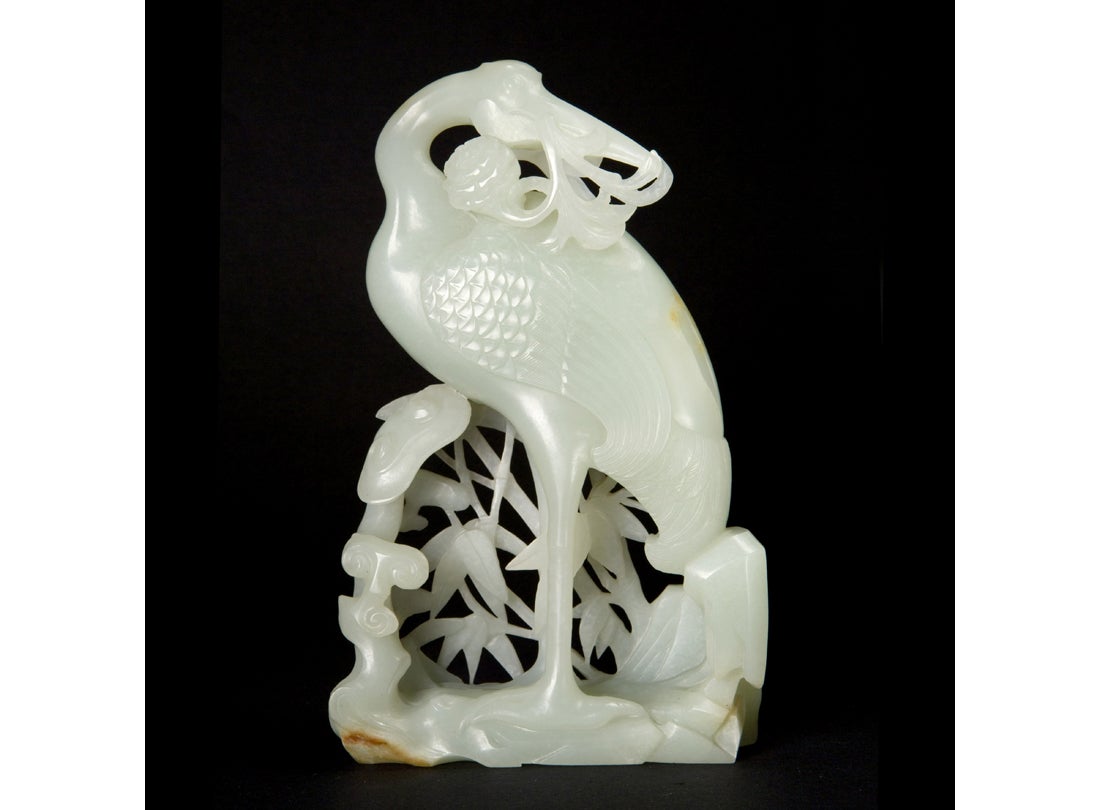
Crane carrying a branch of marigold 1900–40
China
nephrite
Asian Art Museum of San Francisco, The Avery Brundage Collection
B70J1
L2009.3901.101
HIDDEN MEANING: May the crane and the marigold bring you ten thousand years of longevity (heshou wannian)!
By virtue of its name the marigold (wanshouju) represents "ten thousand longevities" (wanshou), a birthday greeting once reserved for emperors and empresses. This nephrite sculpture portrays a crane carrying a bunch of marigolds and standing before a clump of bamboo (zhu), yet another longevity symbol and a pun for "congratulate" (zhu), a word used in greetings for birthdays and other celebratory occasions.
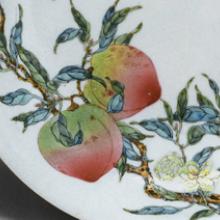
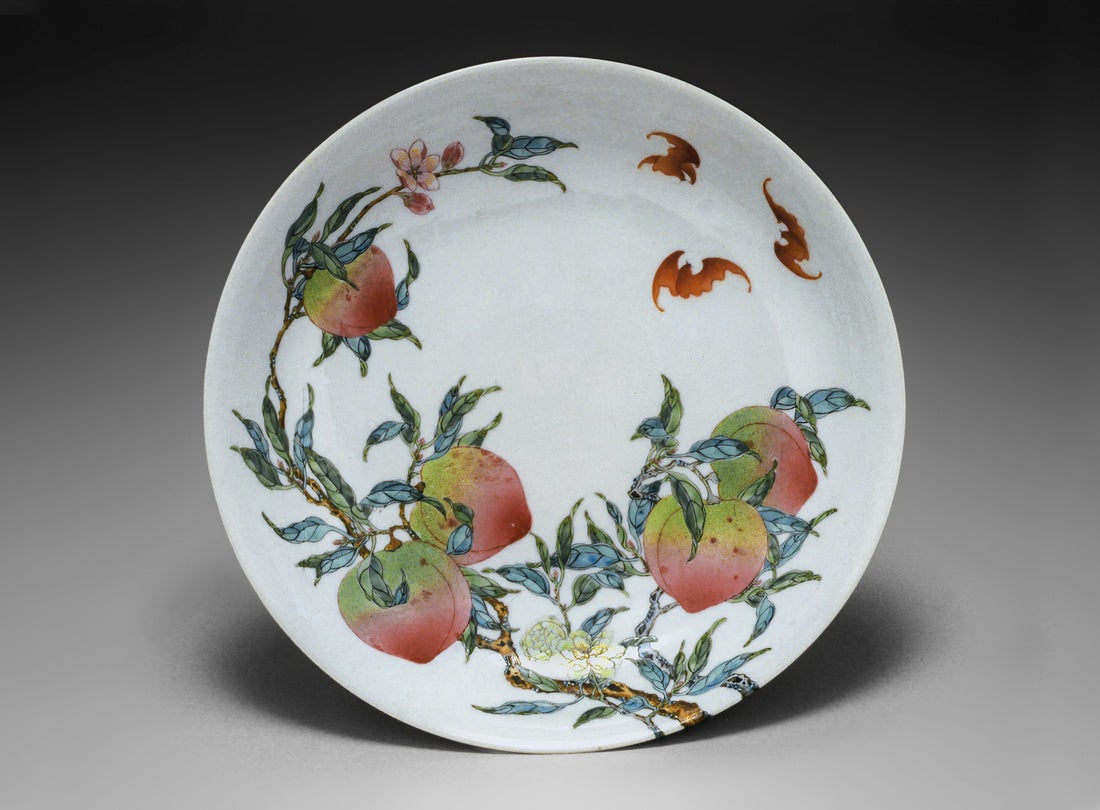
Plate with eight peaches and five bats
China
Qing dynasty (1644–1911), reign of the Qianlong emperor (1736–95)
porcelain with overglaze polychrome decoration
Asian Art Museum of San Francisco, The Avery Brundage Collection
B60P1707
L2009.3901.059
HIDDEN MEANING: May you have blessings and longevity (fushou shuangquan)!
Five peaches and three bats decorate the front of this plate. The peach branch wraps around the rim, continuing onto the back, which features three more peaches and two more bats. Taken together, the eight peaches stand for the "Eight Immortals," who grant longevity, and the five bats stand for the Five Blessings: longevity, wealth, health, love of virtue, and a peaceful death.
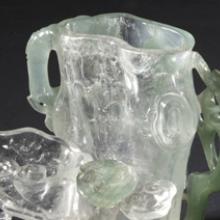
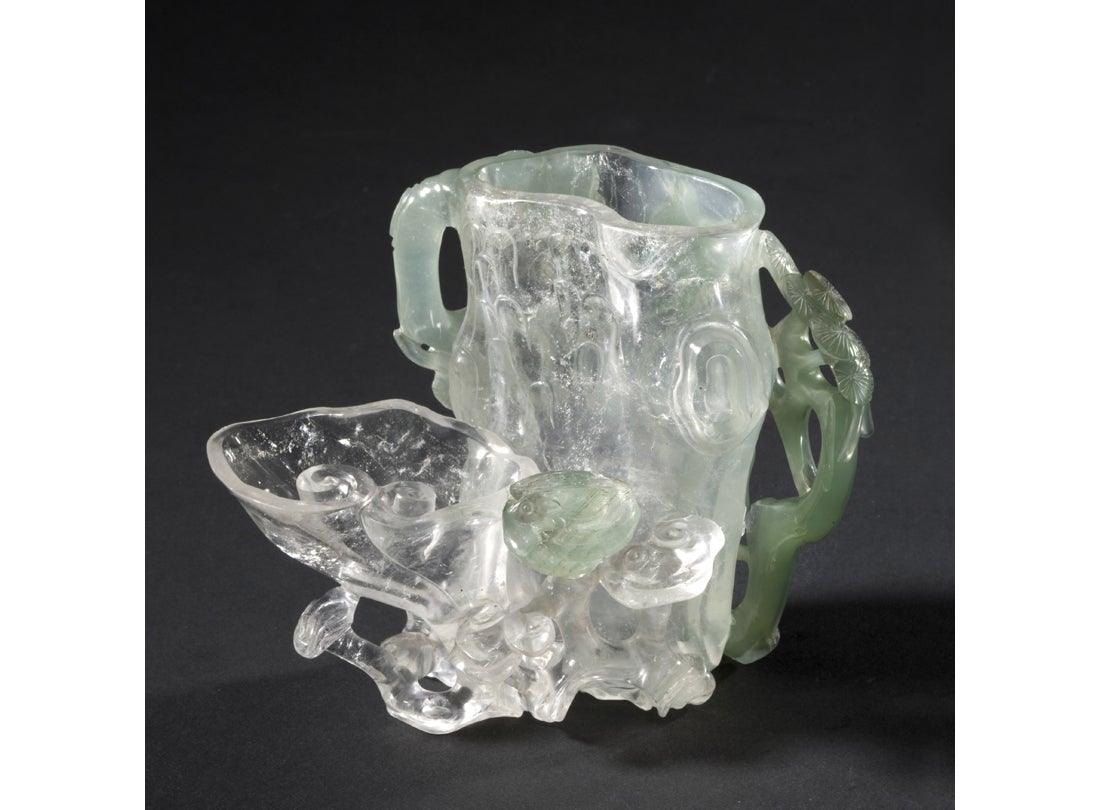
Brush container in the shape of a tree trunk with fungus of immortality
1900–40
China
quartz
Asian Art Museum of San Francisco, The Avery Brundage Collection
B60J171
L2009.3901.014
HIDDEN MEANING: "May you have blessings, longevity, and may all your wishes come true" (fushou ruyi)!
For this container, the artisan utilized the green areas of the stone to form a pine tree and a crane (both for longevity) in the front, and a bat (for blessings) hovering over a clump of the fungus of immortality (lingzhi) in the back. The fungus not only represents longevity and the Chinese blessing "as you wish," but also intelligence (ling). The bat—(fu), a pun on blessings (fu)—and fungus together form the rebus: "May your heart (mind) be filled with intelligence when blessings arrive (fuzhi xinling), a saying that also means "May you be inspired when blessings arrive."
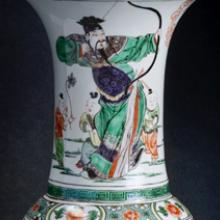
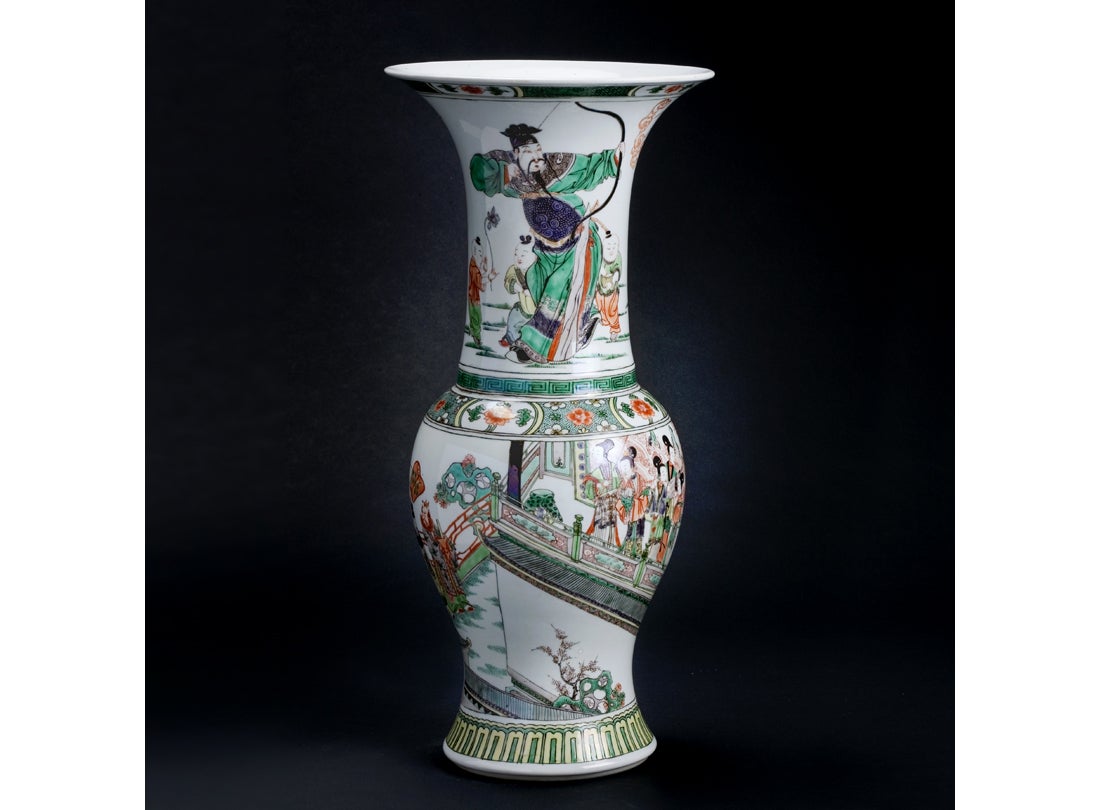
Beaker vase depicting Zhang Xian, the protector of children
China
Qing dynasty (1644–1911), reign of the Kangxi emperor (1662–1722)
porcelain with overglaze polychrome decoration
Asian Art Museum of San Francisco, The Avery Brundage Collection
B60P53
L2009.3901.030
HIDDEN MEANING: May Zhang Xian protect your infant sons!
The immortal Zhang Xian, worshiped as the protector of young children and the bringer of sons, appears on the neck of this vase as a handsome, bearded civil official surrounded by young boys. He uses a pellet bow to shoot the Dog Star (symbolized by the image of a dog), believed to cause the death of male infants. The body of the vase depicts the Tang emperor Xuanzong (reigned 712–756) visiting the Moon Palace in search of his deceased concubine Yang Guifei, whom he still cherished.